A coach to remember - Art Kenney ricorda Lou Carnesecca
Arturo Kenney, figura essenziale per il nostro Museo anche ad un oceano di distanza, ci ha espressamente chiesto di pubblicare i suoi ricordi legati a coach Lou Carnesecca anche nella sua versione originale in inglese, a beneficio dei suoi concittadini newyorkesi e degli ex-compagni di squadra che hanno conosciuto il coach di St. John's.
Photo Archives:
There is a wonderful black&white photograph of a clinic held in Rome with Coach Carnesecca surrounded by some of the great, then young, basketball coaching and journalistic talent. This is part of Italian Basketball History.
Lou Carnesecca, St. Ann’s Academy (high school) coach:
Luigi “Lou” Carnesecca, like me, was a native Manhattanite, I attended Power Memorial Academy just a short walk from Lincoln Center, in the Parish of St. Paul The Apostle. Coach Carnesecca attended St. Ann’s Academy which was located at 76th Street, just west of Lexington Avenue, on the upper east side. It was in the parish of St. Jean Baptiste.
He began his professional coaching career at his Alma Mater, and years later my dear departed friend, Arthur Crawford (Fairfield University, Class of 1961), told me how he met Coach Carnesecca. Arthur was a sophomore at the public school, Commerce High School, on West 66th Street. One day, he was walking the halls of Commerce, missing classes, when he happened to get stopped by Coach Carnesecca. Coach asked him why he was not in class, and Art did not have an answer. Coach then asked if he played basketball, and Art said, that he was starting to play. He invited Art to a Saturday work-out, and when Art began to play, he saw that he could rebound well, and that despite his lack of experience, he realized that he could play at the level of his new friends. At the end of that year, Art transferred from Commerce High School to St. Ann’s Academy, and he received a scholarship to this Catholic High School. Coach made sure that all his players attended class and applied themselves in the classroom and did all their assignments. Only after they became good students would they be granted the privilege of playing basketball. Coach Carnesecca coached at his alma mater, St. Ann’s Academy, from 1950 until 1958 when he joined St. John’s University as assistant to the legendary head coach, Joe Lapchick.
Coach Carnesecca’s greeting to all:
He always extended his hand, looked you in the eye, and said, “How are you?, … and how is your health?” before you could say anything. He always wanted to know how other people were doing and if he could help in any way … Coach Carnesecca was truly a man for others!
I was always happy to see him (everybody was!), and we would converse in Italian, … and where do you find an Irish-American and an Italian-American conversing in Italian? … likely in The Big Apple. He would always ask how Principe Rubini and Coach Gamba were, since they were dear, long-time friends of his.
Naismith Memorial Hall of Fame (Springfield).
Both Principe Rubini and Coach Gamba were very good friends of Coach Carnesecca, and this is confirmed by the fact that each chose him as their sponsor, to accompany them for their enshrinement into the Naismith Memorial Hall of Fame. … and Coach Carnesecca was so proud to be asked to participate in that capacity!
Each time I would see him, after asking about me, he would always ask about his dear Italian friends Principe Rubini and Coach Gamba, even before I could ask about him and his health. It you look at "INDIMENTICABLE: Cesare Rubini: un Guerriero dello sport", you will see that on page 68, in a tennis-photo with his friend Tai Missoni, Principe Rubini is wearing a St. John’s sweatshirt - a gift from his friend Lou Carnesecca.
Always there for others:
I had a friend, Bobby Gregory, who had terminal brain cancer, and because of his situation, Chris Gallagher, Chairman of The Monsignor Scanlon/St. Helen’s High School Board of Directors arranged for Bobby to be inducted into Hall of Fame in a special session and reception on one Sunday afternoon. Though Bobby attended and played at Manhattan College, Coach Carnesecca came and spoke at the event out of respect for a competitor from Manhattan College, and out of respect for the game of basketball.
When Art Crawford passed away and a service was held in Mount Vernon, NY, on June 20, 2016, we knew that Coach Carnesecca would attend the service for one of his players and life-long friend, “Crawf.”
“The One That Got Away”
Whenever we would meet, he would always reference me in kindness by saying “Art Kenney, the one that got away!”
Fly Fishing:
He mentioned that he had visited an Orvis Flyfishing Shop and as he was leaving, ran into Billy Lawrence, a Molloy High School phenom and then a player at St. John’s who was doing well. He then confessed that the Orvis fishing expert said that he had to work on his “presentation” to trout, as it was lacking. I told him that presentation was a means to trick trout into thinking that the artificial fly that you were offering was something real. I told him that he was too honest to try to trick even trout … but that was a good thing, of course! His bad presentation just made the trout wiser as to what is real and what is not!
N.I.T. All-Star Team in Milano
In the 1980’s The N.I.T. All-Star Team played a few games in Milano in the old Palalido, and they were during one of my visits, so I had the pleasure of spending time with Coach Bisacca who organized the games for the N.I.T., seeing Coach Carnesecca coach the games, and showing my N.I.T. friends my Milano, my second City.
Nets offer:
After my first season with OlimpiaMilano (1970-’71), Coach Carnesecca got in touch with me via Coach Richard Percudani. I was offered a 1 year, no-cut contract if I could make the team. My desire was to play for OlimpiaMilano for 2 more years, and when Principe Rubini and Dr. Bogoncelli offered me a 2-year contract, I accepted that offer and declined the try-out with the Nets
Foto d'archivio:
C'è una meravigliosa foto in bianco e nero negli Archivi del Museo del Basket-Milano relativa a un clinic che coach Carnesecca ha tenuto a Roma nel 1966. Il coach è circondato da una 'rapprensentanza' di tecnici lombardi con in testa Cesare Rubini (con gli occhiali neri) e tra cui riconosciamo Enrico Garbosi, Riccardo Sales, Paolo Viganò, il Professor Fassi, Dido Guerrieri, Valerio Bianchini, Oscar Eleni poi diventati maestri di tecnica ma anche giornalisti. E' un'immagine che fa parte della storia della pallacanestro Italiana.
Lou Carnesecca, coach della St. Ann’s Academy (high school):
Luigi “Lou” Carnesecca, come me, era nativo di Manhattan: io ho frequentato la Power Memorial Academy a poca distanza dal Lincoln Center, nella parrocchia di S.Paolo Apostolo; coach Carnesecca era della St. Ann’s Academy che era situata nella 76th Street, ad ovest di Lexington Avenue nell’Upper east side, parrocchia di S.Giovanni Battista.
Lou iniziò la sua carriera di allenatore professionista presso la sua Alma Mater, e anni dopo un mio caro amico purtroppo già scomparso, Arthur Crawford (Fairfield University, Classe del 1961), mi raccontò come incontrò Coach Carnesecca. Arthur era al secondo anno al Liceo Pubblico Commerciale nella West 66th Street. Un giorno era nei corridoi della scuola, ‘missing classes’ e fu fermato da coach Carnesecca, che gli chiese come mai non fosse in classe. Art non aveva una giustificazione. Allora il coach gli chiese se sapesse giocare a Basket e Art disse che aveva appena iniziato. Lou invitò Art all’allenamento del sabato e, quando Art iniziò a giocare, notò subito che il ragazzo si muoveva bene a rimbalzo nonostante fosse in difetto di esperienza e che avrebbe avuto le doti necessarie per inserirsi nel gruppo. Alla fine dell’anno scolastico, Art si trasferì dal Liceo Pubblico Commerciale alla St.Ann’s Academy e si diplomò. Il Coach si accertava di persona che i suoi giocatori frequentassero le lezioni in classe e che svolgessero tutti i compiti assegnati. Solo quando avessero dimostrato di essere buoni studenti avrebbero avuto il privilegio di giocare a pallacanestro. Coach Carnesecca allenò la sua alma mater dal 1950 al 1958 quando diventò assistente del leggendario coach Joe Lapchick alla St. John’s
Coach Carnesecca saluta tutti:
Allungava la mano, ti guardava negli occhi e diceva ‘Come va?’ e poi, prima ancora che tu rispondessi ‘E la salute?’ Lou voleva sempre sapere come stavano gli altri e se c’era modo di aiutarli. Coach Carnesecca era un vero altruista.
Io ero sempre felice di vederlo (tutti lo eravamo) e parlavamo insieme sempre in italiano: ma dove si possono trovare un Americano-Irlandese e un Italo-Americano che conversano in italiano? Probabilmente solo nella ‘Grande Mela’. Chiedeva sempre notizie del Principe Cesare Rubini e di coach Sandro Gamba, di cui era da molto tempo grande amico.
Naismith Memorial Hall of Fame (Springfield):
Sia Rubini che Gamba erano buoni amici di coach Carnesecca, fatto confermato dalla scelta di entrambi di averlo come ‘sponsor’ e di accompagnarlo quando furono introdotti alla Naismith Memorial Hall of Fame; coach Carnesecca ne era davvero orgoglioso.
Ogni volta che ci si incontrava, prima che gli chiedessi come stava lui mi anticipava sempre con la domanda sulle condizioni di Rubini e Gamba. Se andate alla pagine 68 del libro “INDIMENTICABLE: Cesare Rubini: Un Guerrero dello sport”, troverete una foto in cui Rubini e il suo amico fraterno Tai Missoni, giocano a tennis in doppio indossando una felpa di St.John’s regalata loro da Lou Carnesecca in persona.
Per gli altri, c’era sempre
Avevo un amico, Bobby Gregory, malato terminale di tumore al cervello. A causa di questa condizione, Chris Gallagher, segretario di Monsignor Scanlon alla High School di Sant’Elena, si prodigò affinchè Bobby fosse inserito nella Hall of Fame in un evento speciale della domenica pomeriggio. Nonostante Bobby avesse giocato al Manhattan College, coach Carnesecca venne a tenere un discorso in quell’evento sia per il rispetto per un avversario del suo college, sia nel nome del gioco stesso della pallacanestro.
Quando Art Crawford morì e il funerale si tenne a Mount Vernon, NY, il 20 giugno 2016, tutti eravamo sicuri che coach Carnesecca avrebbe presenziato per ricordare uno dei suoi giocatori e un amico di una vita intera, “Crawf.”
“Quello che è andato via”
Quando ci si incontrava in presenza di altri, il coach si riferiva a me con una gentile frecciatina: “Art Kenney, quello che è andato via”
Pescare con la mosca:
Mi raccontò un giorno che era passato al negozio di pesca sportiva Orvis e mentre usciva aveva incontrato Billy Lawrence, prima fenomeno della Molloy High School e poi giocatore alla St. John's. Lawrence gli disse che il tecnico del negozio gli aveva detto che doveva lavorare sulla ‘presentazione alla trota’ perché era carente. Lou gli disse che la ‘presentazione’ era un trucco per ingannare la trota facendole credere che la mosca artificiale che si stava usando fosse qualcosa di reale. E aggiunse che Billy era troppo onesto per cercare di ingannare anche la trota... ma questa era una buona cosa, ovviamente! La sua cattiva presentazione ha solo reso la trota più saggia su ciò che è reale e ciò che non lo è!
A Milano con N.I.T. All-Star Team
Negli anni ’80 una selezione del N.I.T. giocò una serie di partite a Milano nel vecchio Palalido. Casualmente ero a Milano in vacanza ed ebbi il piacere di passare del tempo con coach George Bisacca che aveva organizzato la trasferta per la N.I.T., di vedere in azione coach Carnesecca alla guida della squadra e di aver fatto visitare ai miei amici la mia Milano, la mia seconda città.
L'offerta dei Nets
Dopo la mia prima stagione all’Olimpia Milano (1970/71) coach Carnesecca mi contattò con il tramite di coach Richard Percudani. Mi offrì un contratto annuale garantito per i New York Nets se avessi passato le selezioni. Il mio desiderio era di giocare per l’Olimpia Milano per altri due anni, quando il Principe Rubini e il Dr. Bogoncelli mi offrirono un biennale, accettai senza dubbi, rinunciando al provino con i Nets.
Museo del Basket-Milano ringrazia di cuore Art Kenney e i suoi amici per la sensibilità, il materiale fornito e per averci sottolineato l'importanza di una figura così carismatica come coach Lou che, sebbene a grande distanza, entra di diritto nelle pagine del nostro Museo.
Immagini allegate

Il Gruppo degli allenatori lombardi che hanno presenziato al Clinic C.A.F. di Roma del luglio 1966 con coach Lou Carnesecca
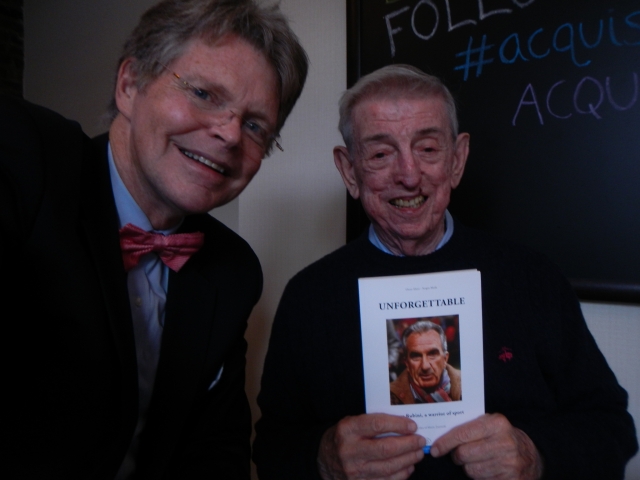
Arturo Kenney con coach Lou Carnesecca
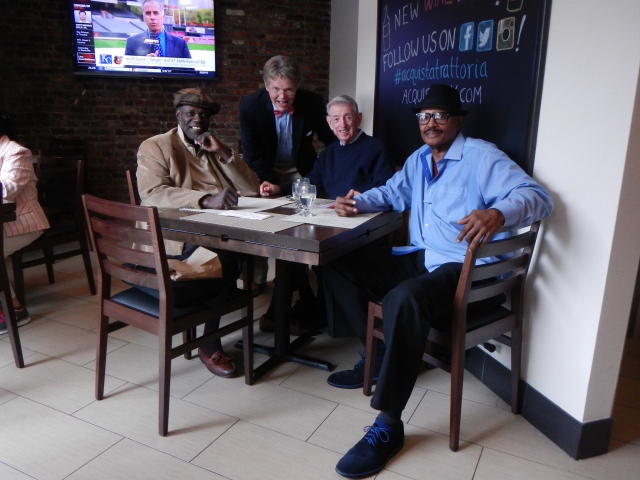
Art Crawford (Hall of Fame Fairfield University), Arturo Kenney, coach Lou Carnesecca (Naismith Memorial Hall of Fame) e Willie Hall (St. John’s Hall of Fame)


